







Which seasons are best for buying: winter or summer?
Why the season for buying real estate in Turkey matters
Choosing the time of year to buy a property in Turkey is not just a matter of comfort during viewings. The season affects the availability of listings, sellers' willingness to negotiate, the speed of paperwork, and even how objectively you can assess the apartment itself. Experienced investors have long known: the calendar can be your ally or your opponent depending on your purchase goals.
Turkey is a country with distinct seasonal tourism. In summer, the coast is filled with tourists, and the real estate market comes alive. In winter, everything quiets down – and it is in this quiet that the best opportunities lie for those seeking a good deal. Let's look at each season in detail.

Winter (December – February): the best time for a great deal
According to leading Turkish real estate agencies, winter is the most profitable season for buying. Demand from foreigners drops sharply: the beach season is over, tourist flow is minimal. This creates unique conditions for those ready to act.
Five main advantages of buying in winter
- Less competition. The majority of buyers come to Turkey from May to October. In winter, you are not competing with a dozen other applicants for the same property. The seller sees you as a rare buyer – and that changes the tone of negotiations.
- Sellers' flexibility on price. When the flow of clients dries up, owners who have listed their property become much more willing to negotiate. In winter, you can get a discount you could only dream of in summer. According to Terra Real Estate, sellers in winter "show flexibility in price negotiations."
- Faster processing. The workload on government authorities, agencies, and banks is significantly lower in winter. A deal can be closed in just 2–3 weeks – compared to a month or more during the peak summer season. Shorter queues at land registry offices, faster bank account opening, and quicker issuance of the title deed (TAPU).
- Personal attention from the real estate agent. Agents have fewer clients in winter – they can devote maximum time to you, arrange more viewings, and thoroughly explore each option.
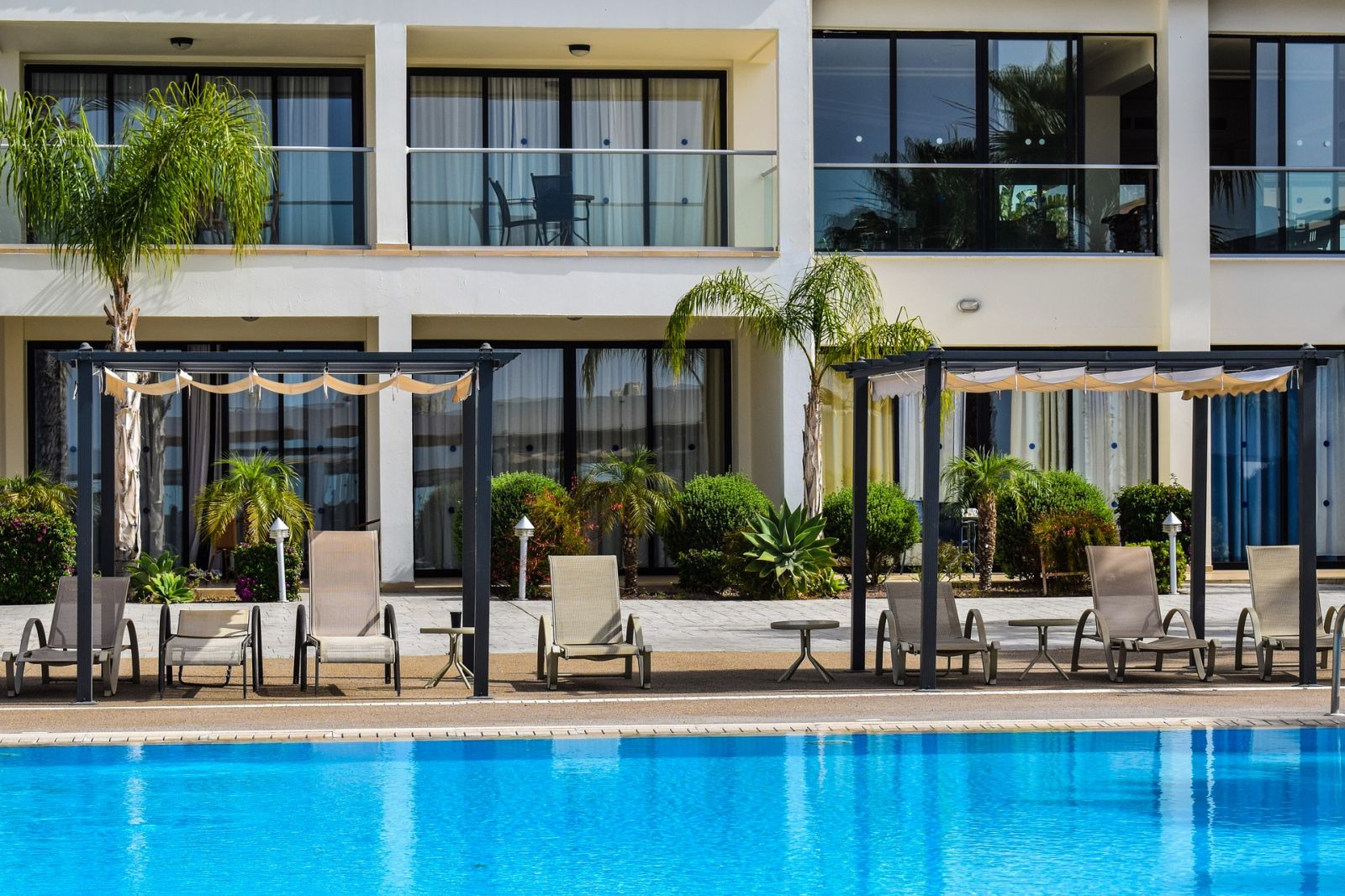
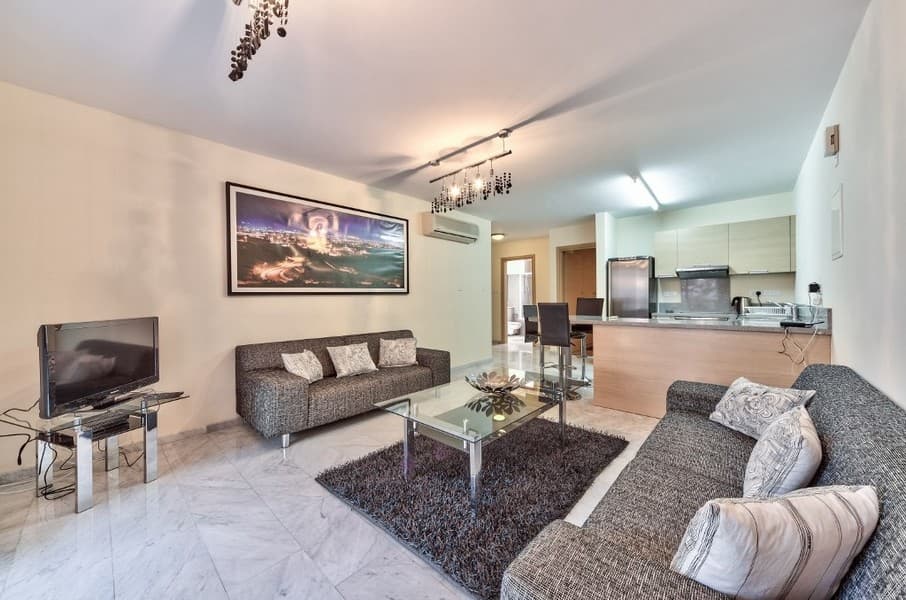
- Testing the property under "stress" conditions. In winter, you see the apartment without embellishments: does the heating work, are the windows drafty, how warm is it without air conditioning, are the walls damp. For resort real estate, this is a critically important test: if the apartment is comfortable in January, it will be perfect in summer. This especially applies to checking the complex's infrastructure: is the indoor pool working, is there heating in common areas, are the hammam and gym operating in the low season.
Things to keep in mind in winter
The main downside is that some properties may be temporarily taken off the market until the start of the tourist season. The choice in winter months is sometimes narrower than in summer, especially in the secondary housing segment in resorts. Additionally, short daylight hours limit viewing time.

Summer (June – August): peak demand and resort rush
Summer is traditionally the most popular time to buy property in Turkey. Buyers from all over the world flock to the coast to combine a vacation with choosing a home. The market is at its liveliest – but this liveliness has a downside.
Pros of buying in summer
- Maximum choice of properties. By the start of the summer season, developers and owners list the maximum number of offerings. If seeing as many options as possible matters to you, summer gives the widest picture.
- Assessing resort appeal. In summer, you see the neighborhood and complex at peak capacity: how lively it is, how the infrastructure works, how far it really is to the beach, how noisy or comfortable the complex is when fully occupied. This matters if you plan to rent out the property – you can personally gauge the tourist flow.
- Full impression of the location. In summer, all restaurants, cafes, beach clubs, and shops are open. In winter, some resort infrastructure may be closed – and you risk not seeing the full picture.
Cons of the summer season
- High buyer competition. Good properties get snapped up quickly, sometimes within a few days. You risk finding yourself in a situation where multiple buyers are vying for the same apartment – and the seller dictates the terms.
- Less room for negotiation. With a steady flow of clients, sellers are not interested in discounts. The price is usually as close to the asking price as possible.
- Slower processing. In summer, government offices, banks, and notaries are overloaded. The transaction processing time can stretch to a month or more.
- Heat. Temperatures in Antalya and Alanya can exceed +35 °C in summer, making hours of property viewings physically exhausting.

Spring and autumn: the golden mean
If you don't want to choose between winter's bargains and summer's broad selection, consider the transitional seasons.
Spring (March – May) – many experts consider this the optimal time. The weather is already comfortable for viewings (+20…+25 °C), the tourist season has not yet started, and sellers are beginning to list properties for the summer. Turkey Homes notes that in spring many new properties come on the market, and prices haven't yet risen to peak summer levels. March and April are excellent times for those who want both choice and a reasonable price.
Autumn (September – November) – the tourist rush subsides, but the weather remains warm. Sellers who didn't manage to sell properties in summer become more amenable. In October–November, you can find very interesting offers – especially from those who wanted to sell "in season" but didn't succeed.
What matters more than the season: key factors for a successful purchase
Despite the importance of the time of year, the Turkish real estate market has characteristics that smooth out seasonal fluctuations:
- Prices in lira are constantly rising. According to analysts, in 2025 the average cost per square meter reached $869, continuing to rise against a backdrop of high inflation. Official prices from developers do not have seasonal discounts – a discount can only be achieved through negotiation with private sellers in winter.
- Exchange rate more important than season. For a foreign buyer dealing in dollars or euros, fluctuations in the Turkish lira can provide a much greater advantage than seasonal bargaining.
- The purpose of purchase determines the strategy. If you are buying a property for rental – perhaps you should buy closer to the start of the season to immediately start generating income. If for your own residence – winter will give you the best price and time to prepare for the move.
- Legal due diligence does not depend on the season. A thorough check of the title deed (TAPU), encumbrances, permits, and developer is mandatory at any time of year. In winter, you simply have more time and peace of mind for this work.
Conclusion: So when should you buy?
If your main goal is maximum savings, the best time to buy property in Turkey is winter. Less competition, more room for negotiation, faster paperwork, and the ability to test the home in 'cold' mode make this season the choice of experienced investors.
If wide choice and the ability to evaluate the property at the peak of resort life are critical to you – consider summer, but be prepared for tougher competition and less seller flexibility.
The optimal compromise is spring (March–April) and early autumn (September–October). Comfortable weather, sufficient choice of properties, prices not yet at their peak, and without the summer rush.
Ultimately, Turkey's real estate market is active year-round – and each season offers its own opportunities. The key is to clearly understand your goals, budget, and not to neglect a thorough property check, regardless of the month you make your decision.