





New buildings in Turkey: main differences from Russian new buildings
When choosing an apartment on the primary market in another country in the world, you may encounter surprises. In a new series of articles, we talk about how new buildings in Russia differ from new buildings in the most popular places on the globe among Russian-speaking buyers.
Typical characteristics
In Russia: More than 50% of apartments in new mass-market buildings in large cities of the Russian Federation are small apartments, studios and one-room apartments with an area of up to 45 square meters. m. Standard layouts: kitchens - up to 10 sq. m. m, ceilings - 2.5-2.7 m. The popularity of “euro-bedrooms” - small apartments in which the living room is combined with a kitchen - is growing.
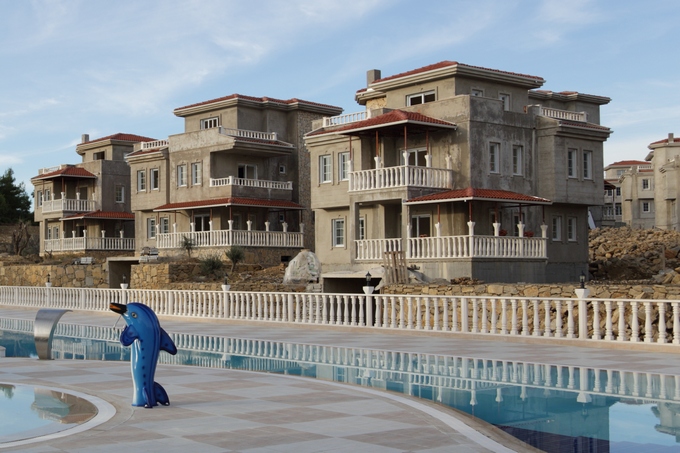
In Turkey: Infrastructure, layout, square footage of apartments offered in new complexes directly depends on the region. In resort areas, complexes with a large area - from 50 sq. m. - predominate. m. Such new buildings must have a swimming pool, sauna, hammam. As for more industrial cities, where the price of land and, accordingly, real estate is higher, more compact layout options are offered. For Turkey, combining a kitchen with a living room is not an innovation; it is rather a pattern of planning.
In Russia: New buildings in large cities of the Russian Federation are high-rise buildings, from 10 floors and above. Low-rise construction within the city is not common.
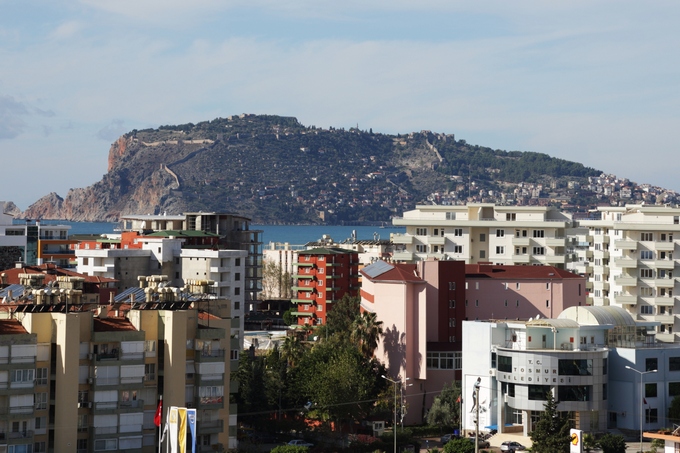
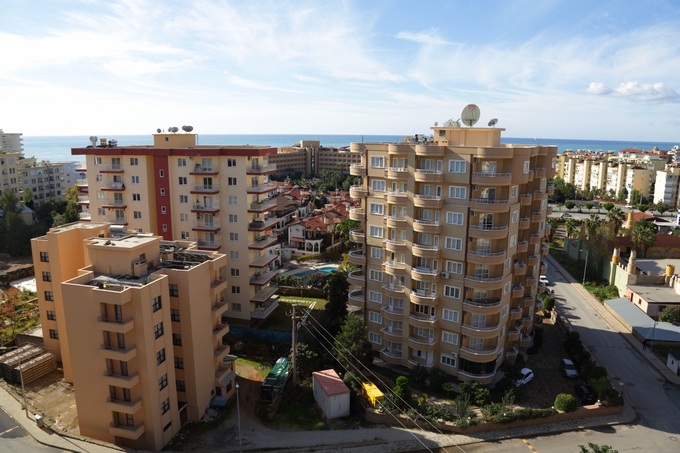
In Turkey: Turkey has adopted “stepped” urban planning. The price of real estate directly depends on the view from the window, and if there is a sea view, it can increase significantly. Therefore, the closer the building is to the sea, the lower its number of storeys will be. The most elite new buildings within 50 meters from the sea are built no higher than four floors. New high-rise buildings are being built on the second and third lines. And even they are not higher than nine floors.
In Russia: Apartments in new economy-class buildings in large cities of Russia are put into operation for final finishing. Renting an apartment “turnkey” with furniture and appliances is not common.
In Turkey: All apartments are rented in “finished” condition. Turnkey delivery is not uncommon, and those clients who do not want to waste time on shopping trips can easily select furniture and equipment from catalogs. Developers of some luxury new buildings provide this service for their buyers.
Location and infrastructure
In Russia: Most new buildings in large Russian cities are built in residential areas, often outside the ring road.
In Turkey: The country's urban planning in the resort area is based on the principle “where is the sea”. Typically, cities are stretched along a body of water, and do not have a ring shape, like industrial settlements.
In Russia: When constructing a new residential complex, the developer, at his own expense, creates the minimum necessary infrastructure - roads, playgrounds, kindergartens. Fenced area, underground parking, swimming pool, etc. – are not mandatory options for standard housing.
In Turkey: All necessary infrastructure, if promised by the developer, will be included in the complex and will be built at the expense of the developer. For maintenance of the swimming pool, hammam, children's room and other facilities, an idat will be charged to the owners of the complex. People have the right to choose for themselves which complex with which infrastructure they need, and what they are willing to pay for.
Mortgage and prices
In Russia: Every second apartment in a new building in Moscow and St. Petersburg was purchased with a mortgage until 2015. Now the share of mortgage transactions has decreased. Rates on loans without government support increased to 15-16% per annum with a down payment of 30-50%.
In Turkey: Local banks provide loans only for 50% of the cost of the apartment, but not higher than €25,000 at 6-10% per annum. However, interest-free installments by agreement are common among developers.
In Russia: From 2008 to 2014, as the building was erected - from the pit stage to commissioning - the cost of apartments increased by 30% or more. Now price growth has slowed down.
In Turkey: The cost of real estate increases depending on the stage of completion. Investment in objects under construction has always been more profitable. So, for example, a studio at the stage of forming the foundation and foundation pit can cost €35,000, and when a new building is put into operation, the price for the same apartment will be €40,000 and above.
Shared construction
In Russia: In Russia there is a federal law that protects the rights of participants in shared construction. However, in the market there are cases of deception of shareholders, freezing or significant delays in the commissioning of the project.
In Turkey: Buying an apartment in a new building or under construction is fundamentally different from buying a secondary property. In most cases, the property cannot be viewed, or it is at the stage of laying the foundation. In such cases, do not forget about the safety of your investments. Before buying real estate, it is worth checking the reliability of the construction company. For example, the company must be a member of the Turkish Builders Association. This is a certain guarantee of the reliability and integrity of the developer. Upon entry, the organization undergoes a series of checks.
You should also find out how long the developer has been working in the real estate market, whether he has experience in the construction of the category of real estate you are interested in, make sure that the title documents are available, and whether the next construction is planned after the complex you have chosen.
While construction is underway, the subject of purchase is an agreement on the basis of which you pay money for the property. According to Turkish law, a shared construction agreement must contain: an indication of the object in accordance with the project documentation, the deadline for transferring the object from the developer to the buyer, the contract price, the term and procedure for its payment.
The buyer has the right to receive installments for the entire construction period, thus securing part of his funds.
If as a result of construction the cost stated in the contract exceeds the cost, the buyer does not pay additional costs. In the opposite case, in the event of a decrease in the area specified in the contract, the buyer is required to return the money for the missing part.