





Where Is It More Profitable to Buy for Rentals?
Why Turkey Attracts Rental Property Investors
Turkey remains one of the most attractive destinations for rental property investment in the Mediterranean. The average gross rental yield in the country reached 7.41% in the first quarter of 2025 — noticeably higher than the European average of 3–5%. For comparison, at the beginning of 2024 the average yield was 7.14%, indicating steady market growth.
Key demand drivers are over 65 million foreign tourists annually, stable domestic demand for urban housing, and a gradual decline in inflation from a peak of 85% in 2022 to 42% in 2024. All these factors shorten payback periods and make Turkish real estate competitive in the international market.

Key Factors Affecting Rental Yield
Before choosing a specific location, it is important to understand what determines real rental income. Entry price, seasonality, rental type, and associated costs all directly affect profitability.
Purchase Price vs. Rental Rate
The average payback period for housing in Turkey by the end of 2024 has shortened to 14 years. However, in different cities this figure can differ several times over. For example, an apartment in Bodrum worth $280,000 can generate $850 per month, paying for itself in just 6 years. And in Mersin, where the price per square meter is still around $750, the yield can reach 10–12% per annum.
Short-Term or Long-Term Rental
Choosing the right strategy is critical. Short-term daily rental in resort areas gives the highest rate in the high season, but requires active management, marketing, and is subject to seasonal downtime. Long-term rental provides a stable year-round income with minimal owner involvement, but rates are lower. In Alanya and Antalya, investors often combine both strategies: they rent out properties daily from May to October and find a long-term tenant for the winter.

City Comparison: Where the Highest Yields Are
As of early 2025, the distribution of rental yields by city looks as follows:
- Ankara — 8.19%. An unexpected leader: the capital offers the highest gross yield due to relatively low purchase prices and stable demand from civil servants, students, and business tenants.
- Mersin — up to 10–12%. A city dubbed the 'new Antalya': affordable prices ($750–900/m²), growing demand, no market overheating, and year-round port and industrial traffic provide high yields with a relatively low entry threshold.
- Istanbul — 6.63%. A megacity with a colossal long-term rental market. Yield is lower than in Ankara or Mersin, but property liquidity and capital growth potential are among the highest in the country.
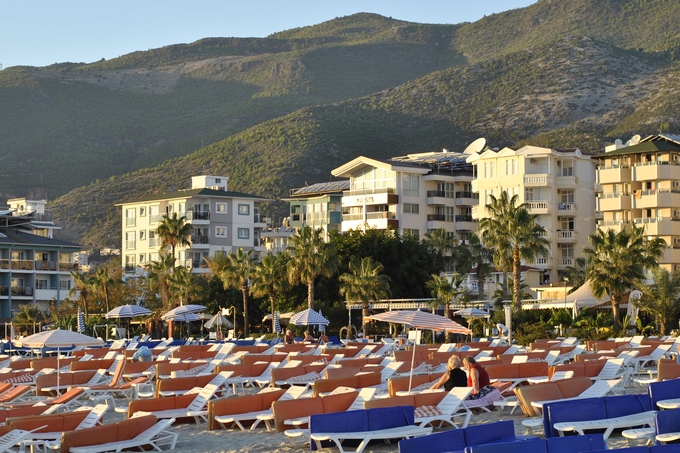
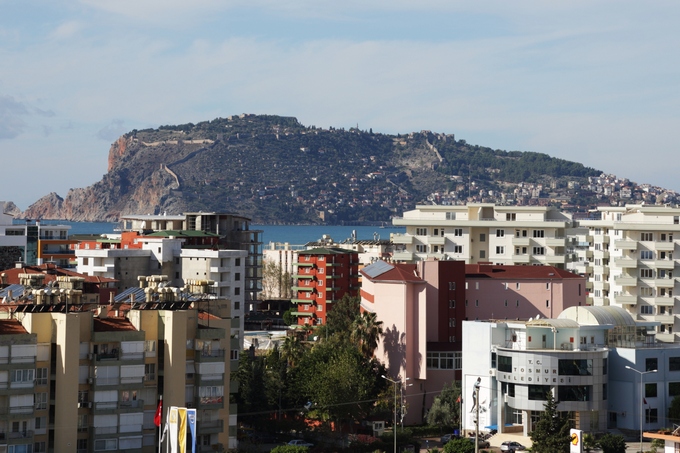
- Alanya — 5.78–7.11%. A popular resort with rising prices (+27% for secondary market and +35% for new builds in 2024) and a steady tourist flow. Yield depends on proximity to the sea: apartments within a 5-minute walk from the beach pay off much faster.
- Antalya — 6–8%. The largest resort region with high rental rates (average 150.67 TL per m²), diversified demand, and developed infrastructure.
- Bodrum — 5–7%. A premium resort with a high purchase price point, but also high seasonal rental rates. Payback on certain properties can be achieved in 6 years with a smart rental strategy.

What Experienced Investors Choose: Three Strategies
Strategy 1: 'Stability and Liquidity' — Istanbul
Buying a 1+1 or 2+1 apartment in developing districts of Istanbul (Beylikdüzü, Esenyurt, Başakşehir) for long-term rental. Yield of 6–7% plus steady asset value growth. Minimal risks, maximum liquidity upon resale.
Strategy 2: 'Maximum Cash Flow' — Mersin and Ankara
Market entry from €40,000 per apartment, annual yield of 8–12%. Mersin is also attractive because it is on an upward trend: while Istanbul and Antalya are overheated, here you can buy seaside property at $750/m² and wait for growth to $1,200/m².
Strategy 3: 'Resort Mix' — Alanya and Antalya
Purchasing a studio or 1+1 apartment within walking distance of the beach. In high season — daily rental to tourists; in low season — long-term. This strategy requires more active management, but provides a combined annual income of 7–10% and potential price growth of 25–35% per year on new builds.
What to Consider Before Buying
- District infrastructure. Proximity to the beach, transport hubs, shopping centers, and hospitals are key factors determining rental demand.
- Legal clearance. Checking TAPU (title deed), absence of encumbrances, and having İskan (habitation permit) are mandatory due diligence items.
- Real yield calculation. Do not forget to deduct annual property tax (0.1–0.6%), utility fees (aidat), insurance, and management costs from gross yield — net yield may be 1–2% lower than stated.
- Currency risks. Rental rates are often denominated in Turkish lira, while purchases for foreigners are in euros or dollars. Consider exchange rate volatility in long-term planning.
- Management company. If you do not plan to live in Turkey permanently, choose properties with a professional management company — this will reduce headaches and vacancies.
Conclusion
The choice of location for rental property in Turkey depends on your strategy and risk tolerance. Ankara and Mersin lead in net yield and offer a low entry threshold. Istanbul is the choice for those who value liquidity and long-term capital growth. Alanya and Antalya are ideal for resort rentals with high seasonal income. Bodrum — for premium investments with fast payback.
The main rule of the Turkish rental market in 2025: yield is directly proportional to your involvement. A passive investor wins in Istanbul and Ankara, an active one — in resorts. In any case, an average yield of 7.4% makes Turkish real estate one of the most attractive in Europe and the Middle East.