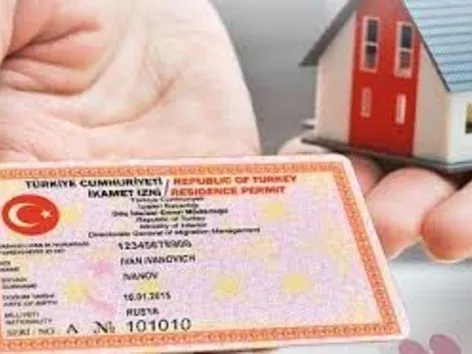








Must You Keep the Property for a Residence Permit?
Turkish Residence Permit via Property: How It Works
Buying property in Turkey is one of the most popular ways for foreigners to obtain a residence permit. Since October 2023, a single rule has been in effect: the minimum property value must be $200,000 USD — this threshold applies to all cities and regions in the country. If this condition is met, the foreign national receives a short-term residence permit (ikamet) valid for 1–2 years, renewable multiple times.
A residence permit based on TAPU (title deed) grants the right to legally reside in Turkey, open bank accounts, obtain health insurance, pursue education, and enjoy other benefits of a resident. However, many buyers have a legitimate question: do you need to keep the property in your ownership for the entire validity period of the residence permit — or can the property be sold after obtaining the coveted card?

What Happens to the Residence Permit When You Sell the Property
The mere fact of selling an apartment or villa does not automatically cancel the existing residence permit. Turkish legislation does not contain a provision that would immediately terminate the ikamet upon the transfer of ownership to another person. In other words, if you already have a residence permit card issued for one or two years, it will remain valid until the end of the stated period — even after the property is sold.
However, there is an important detail: within 20 days after the sale, you must notify the migration office (Göç İdaresi) of the change in your status and change of residential address. This is not a recommendation but a direct legal requirement. Ignoring this rule can lead to a fine and difficulties with subsequent applications to migration authorities.
Renewing the Residence Permit After Selling the Property: The Main Catch
The key problem arises not at the moment of sale, but when the time comes to renew the residence permit. The basis for obtaining the short-term ikamet was precisely the fact of owning property worth $200,000 or more. If at the time of renewal you no longer own the property, the migration office is highly likely to refuse the renewal — you cannot apply on the same grounds.
This does not mean that you will necessarily lose your legal status. You still have alternative options:
- Tourist residence permit — available when purchasing property worth less than $200,000 (in open districts), valid for up to 6 months;
- Family residence permit — for spouses and children of Turkish citizens or residents, valid for up to 3 years;
- Student residence permit — upon enrollment in a Turkish educational institution;
- Rental-based residence permit — with a long-term residential lease (though this option has become much harder to get approved since 2023).
Thus, you must keep the property for the residence permit at least until the renewal — and beyond, if you plan to stay in Turkey on this particular basis.

Residence Permit vs. Citizenship: What Are the Differences in Property Retention Requirements
Many confuse the rules for a residence permit and for Turkish citizenship by investment, but in fact these are two different legal regimes:
- Citizenship via property (from $400,000). Here there is a strict requirement: the property cannot be sold for 3 years from the date of TAPU registration. This condition is notarized and monitored by the state. Violation leads to revocation of citizenship.
- Short-term residence permit (from $200,000). There is no formal ban on selling. You can sell the property at any time — but you will lose the basis for renewing the ikamet, as described above.
It is also worth noting: after 8 years of continuous residence on a short-term residence permit, the foreigner can apply for a permanent residence permit (similar to PR). In this case, the question of retaining property becomes naturally irrelevant — after obtaining long-term status, selling the property will no longer affect anything.
Closed and Open Districts: What You Need to Know Before Buying
When planning to obtain a residence permit through property, it is important to consider that not all districts in Turkey allow foreigners to apply for an initial ikamet. There are so-called “closed districts” — towns and neighborhoods where the share of foreign residents has already exceeded the established limit (usually 20%). In these locations, primary applications for a residence permit are not accepted.
Before purchasing, be sure to check the district’s status through official sources or consult an immigration specialist. Even if the property costs more than $200,000, being located in a closed district will make obtaining a residence permit impossible — and the question of “to keep or not to keep” will simply not arise.

Practical Recommendations: When You Can Sell and When You Cannot
Let’s summarize in the form of specific scenarios:
- You have just obtained a residence permit and plan to live in Turkey for a long time. Do not sell the property — keep it at least until you obtain permanent residence (after 8 years) or citizenship (if you accumulate $400,000 and fulfill the 3-year requirement).
- Your residence permit is valid for another year or two, but you have decided to move. You can sell — the existing ikamet will remain valid until it expires. The main thing is to notify the migration office within 20 days.
- You want to sell and switch your residence permit to another basis. This is possible but requires preparation. Find an alternative basis in advance (work, study, family) and submit documents before your current residence permit expires.
- You bought a property for $400,000 and obtained citizenship. Wait 3 years from the TAPU date — you cannot sell earlier under threat of passport cancellation.
Conclusion
So, you must keep the property for a Turkish residence permit — if you plan to renew your residence permit on this basis. Without the property in your ownership, the migration office will deny the renewal. At the same time, the mere fact of sale does not cancel the existing ikamet — it will remain valid until the date indicated on it. The key rule: the property must be in your ownership at the time of each renewal application submission. If you aim for long-term residence, it is wiser to keep the property until you obtain a permanent residence permit or citizenship. In any case, before deciding to sell, we strongly recommend consulting an immigration lawyer: Turkish legislation changes dynamically, and what is true today may require a strategy adjustment tomorrow.